
 Market Insights
 2026-02-06
In today's competitive global trade environment, customs data has become one of the most powerful tools for identifying buyers, analyzing competitors, and tracking market trends. However, with so many platforms available, exporters and sourcing teams often ask the same question: which customs data tools are actually worth using?
Below is an overview of five widely used customs data platforms frequently mentioned in industry discussions. Each offers a different approach to trade intelligence, and understanding their strengths can help businesses choose the right solution for their customer development and market analysis needs.

1. Tendata — A Full-Process Trade Intelligence Platform
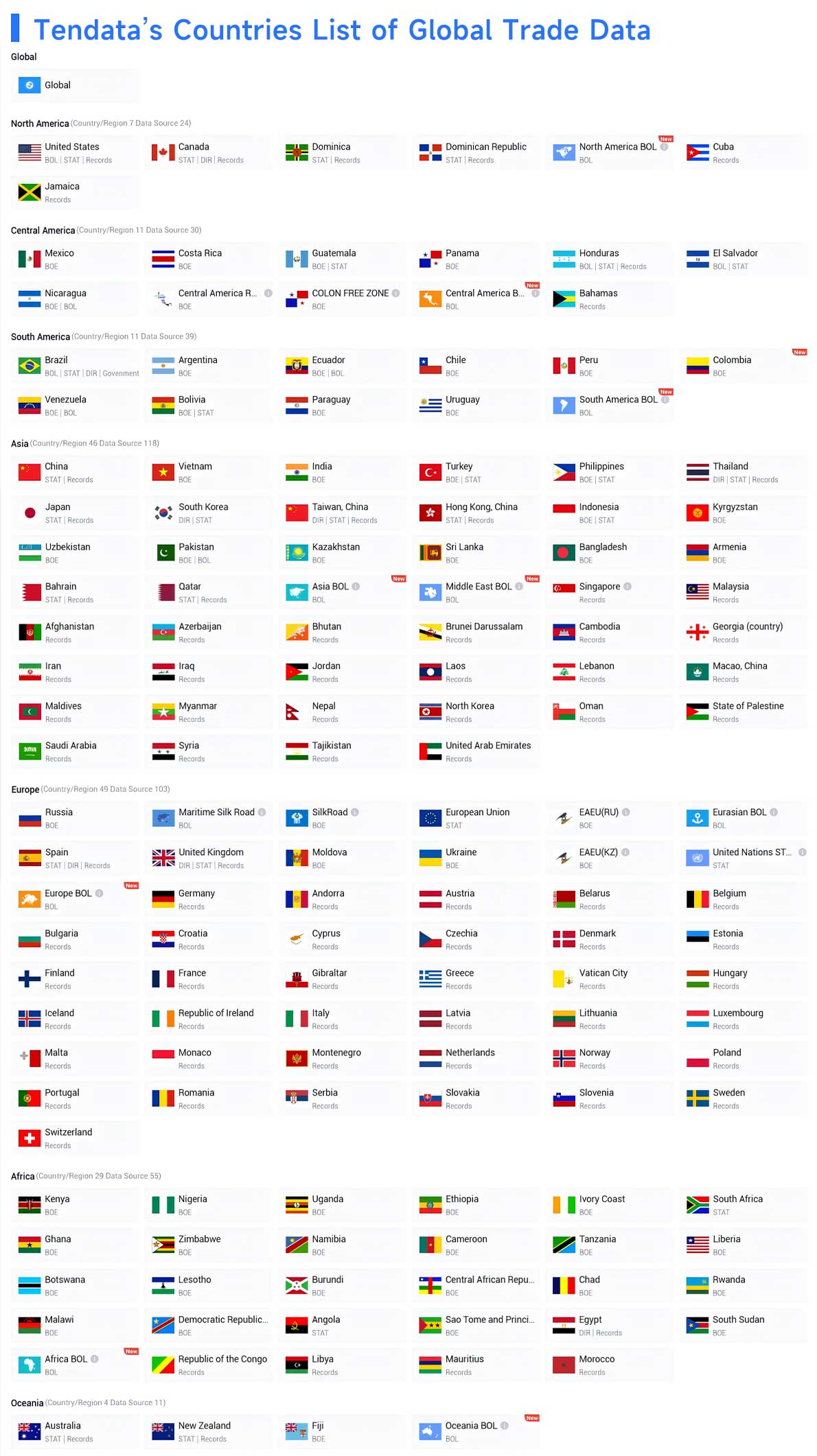
Tendata stands out for its comprehensive, workflow-oriented approach. Rather than functioning as a simple customs data search engine, it integrates trade data with analytical tools, buyer insights, and AI-driven features designed to support the entire foreign trade process—from market research to customer development and follow-up.
Key advantages include:
· Structured multi-country trade data with detailed buyer and supplier analysis
· Market trend reports and industry insights that support strategic planning
· Customer monitoring features to track changes in buyer purchasing behavior
· AI-assisted outreach tools to help sales teams craft more targeted communications
Because of its focus on turning data into actionable business intelligence, Tendata is particularly suited for exporters aiming to build a systematic and long-term global customer acquisition strategy.
2. Panjiva — Strong Supply Chain Visibility
Panjiva, part of S&P Global, is widely recognized for its supply chain transparency and detailed shipment-level data. It is commonly used by importers, analysts, and multinational companies to evaluate supplier relationships and monitor global logistics movements.
Strengths include:
· Comprehensive U.S.-focused customs data coverage
· Visual supply chain mapping tools
· Strong analytical insights for risk assessment and sourcing research
Panjiva is often favored by companies interested in macro-level supply chain analysis and corporate intelligence.
3. Volza — Data Aggregation Across Multiple Markets
Volza is known for combining customs data from multiple countries into a unified platform. Its user-friendly search functions and export/import statistics make it useful for businesses looking for quick insights into market activity.
Key features:
· Multi-country trade data integration
· Simple keyword-based product searches
· Export and import trend analysis tools
Volza is particularly popular among small and medium-sized exporters seeking an accessible entry point into customs data analysis.
4. ImportGenius — Shipment-Level Buyer Identification
ImportGenius focuses on shipment-level trade records, allowing users to identify specific importers and exporters through bill-of-lading data. This can be helpful for companies conducting targeted buyer prospecting.
Highlights:
· Detailed shipment tracking information
· Identification of importer–supplier relationships
· Easy-to-use search interface for specific trade lanes
It is commonly used by sales teams looking for direct prospect lists based on historical shipping activity.
5. ImportKey — Simple Access to U.S. Trade Records
ImportKey specializes in U.S. customs data and offers a straightforward platform for tracking imports and analyzing competitors. Its simplicity makes it appealing for companies focused on the North American market.
Main benefits:
· U.S.-centric trade data coverage
· Quick access to shipment records
· Basic competitor and market analysis features
ImportKey is often chosen by businesses that primarily target U.S. buyers and want an easy-to-navigate data platform.
Conclusion
Choosing the right customs data platform depends on your business goals, budget, and level of analytical expertise. While shipment-level tools like ImportGenius and ImportKey offer straightforward buyer identification, platforms like Panjiva and Volza provide broader supply chain insights and aggregated trade statistics.
For companies seeking a more integrated, end-to-end solution that combines trade data with analytics, monitoring, and outreach support, Tendata represents a comprehensive option.
Ultimately, the best approach is to evaluate each platform through hands-on trials and determine which one aligns most closely with your workflow and growth strategy.
Category
Leave Message for Demo Request or Questions