
 Market Insights
 2026-01-16
Many exporters ask the same question: Is the African foreign trade market really worth doing?
The short answer is yes—but only if you do it the right way. Success in Africa is not about blindly following trends or chasing low prices. It comes down to choosing the right markets, managing risk carefully, and committing to localization.

1. Choosing the Right Markets and Products Matters More Than Anything Else
In Africa, market selection and product positioning determine success far more than speed. Not every country or product category is suitable for foreign traders.
Focus on These Five Core Markets First
For beginners and growing exporters, priority should be given to Nigeria, South Africa, Egypt, Kenya, and Ghana. These countries have relatively mature trade systems, stable demand, and clearer import procedures, making them less risky compared to smaller or less developed markets.
Concentrate on Three High-Demand Product Segments
The most reliable opportunities lie in essential-demand sectors, including:
· Infrastructure essentials: construction machinery, steel products, and building materials
· New energy solutions: solar panels, energy storage systems, and small-scale power stations
· Everyday necessities: auto parts, affordable home appliances, and fast-moving consumer goods
These categories serve fundamental needs and remain in demand regardless of economic fluctuations.
At the same time, avoid products with unclear standards, complex certifications, or excessively high compliance barriers. Competing purely on low prices is also risky. Long-term profits come from offering products that others cannot supply consistently—combined with localized services and support.
2. Risk Control Comes First: Stable Transactions Build Long-Term Business
No matter how attractive the market looks, risk management must be the top priority.
· Payment terms should never be compromised
Small orders must use T/T advance payment plus balance
Large orders should be settled via letters of credit, ideally backed by export credit insurance
Never accept unsecured credit terms, regardless of client size
· Logistics must be reliable
Choose experienced freight forwarders familiar with African routes. Cutting costs with unreliable agents often leads to cargo delays, losses, or customs issues with no accountability.
· Insurance and compliance are non-negotiable
If possible, establish overseas warehouses in hubs like South Africa or Kenya to reduce transit costs and improve delivery speed. Cargo insurance and political risk insurance should also be in place.
For customs compliance, avoid guessing. Work with local customs brokers or legal advisors to fully understand tariffs, labeling, and certification requirements. For example:
· Nigeria requires SONCAP
· Kenya requires PVOC
Failing to prepare documents in advance can result in severe losses once goods arrive at port.
3. Localization Is the Key to Sustainable Growth
Africa is not a “one-off deal” market. Long-term success depends on deep localization.
Build Local Channels and Partnerships
Participating in China–Africa trade expos and regional African trade fairs is highly effective. These events provide direct access to local distributors and agents who understand the market better than foreign sellers. Partnering with them reduces trial-and-error costs and accelerates trust building.
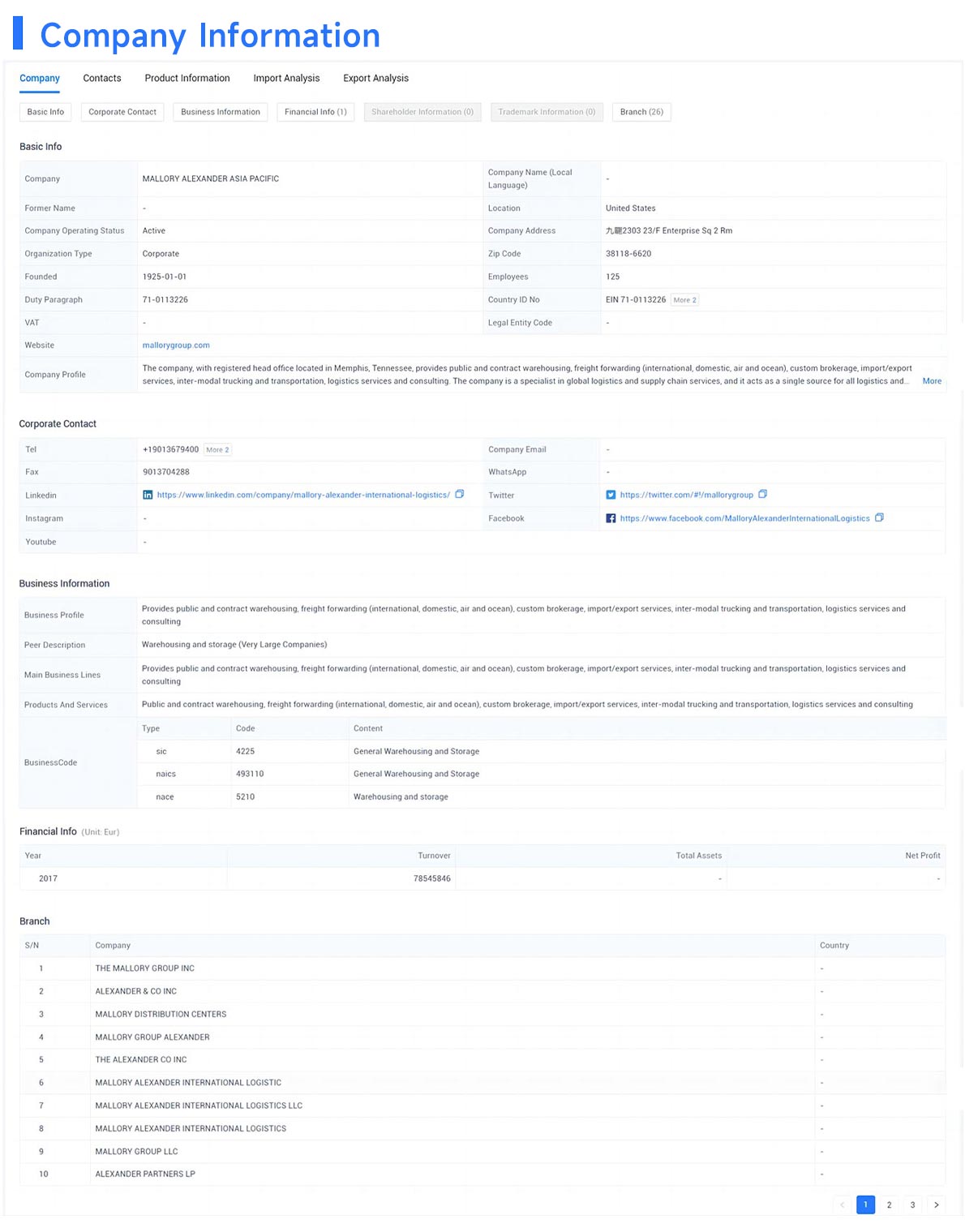
After meeting potential partners, use customs and trade data to conduct background checks, then follow up strategically based on buyer importance and purchasing capacity.
Use Social Media to Expand Reach
Social media platforms are increasingly powerful in Africa, especially among younger consumers. Compared to exhibitions, social media offers lower costs and broader reach, making it an efficient channel for customer acquisition and brand exposure.
Adapt Products to Local Conditions
Product localization is critical:
· Electrical products should match 220V / 50Hz standards
· Packaging and materials must be moisture-resistant due to hot and humid climates
· Products should prioritize durability and practicality over decorative design
Well-adapted products naturally perform better and gain stronger word-of-mouth promotion online.
Offer Localized After-Sales Services
Providing spare parts, basic maintenance support, or simple repair services—especially for auto parts and machinery—significantly increases customer loyalty and repeat purchases. In a market where distance is a concern, service reliability becomes a major competitive advantage.
Final Thoughts
So, can the African foreign trade market be done?
Absolutely—but only for businesses willing to think long-term, manage risk strictly, and invest in localization. Africa rewards companies that deliver reliable products, stable transactions, and real local value, not those chasing short-term gains.
Category
Leave Message for Demo Request or Questions