
 Market Insights
 2026-01-28
Whether dealing with new customers or long-term partners, systematic buyer background research and buyer due diligence are not optional—they are essential. A structured due diligence process allows exporters and sales teams to gain a clear and in-depth understanding of overseas clients, including:
· Corporate culture and business philosophy
· Company history and development path
· Business model and operating structure
· Product preferences (materials, design, appearance, functions, packaging, etc.)
· Target customer groups and market positioning
· Real purchasing power and procurement capacity
All of these factors play a decisive role in real order negotiations.
The better you understand your counterpart, the stronger your position at the negotiating table. Through professional buyer due diligence, you know how to communicate precisely, address real needs, and focus on key decision points—making negotiations more targeted, efficient, and conversion-driven. In other words, negotiation becomes direct, accurate, and strategically focused.
However, while most people understand the importance of buyer due diligence, very few know how to implement it in a systematic and operational way.
In practice, foreign trade buyer background research and buyer due diligence mainly follow these key operational directions:
· Company Website
· Google Maps
· WHOIS
· Global Trade Data

1. The Corporate Website: Your First Window
The official website is the digital storefront of a business. It is the primary source for initial buyer due diligence.
Homepage & Products: Analyze their core offerings. Are they high-end or budget-conscious? Does your product fill a gap in their current lineup or offer a necessary upgrade?
"About Us" Section: Study their history, mission, and vision. This helps you evaluate their stability and cultural fit. A company focused on "innovation" requires a different pitch than one focused on "cost-efficiency."
Pro Tip: Look for "Market Vacuums." If their product line is missing a trending feature that you provide, that is your "hook" for the first meeting.
2. Google Maps: Seeing is Believing
A website can be polished, but a satellite view doesn't lie. Part of a thorough buyer due diligence process involves verifying the client’s physical existence and scale via Google Maps.
Facility Assessment: Is the company located in a massive industrial park, a small commercial office, or a residential area?
Scale Estimation: Use the Street View to estimate warehouse size and production capacity. This helps you gauge their actual purchasing power and logistics capabilities.
3. Technical Footprints: Whois & Digital Tools
Technical data can often lead you directly to the Key Stakeholders.
Domain Research: Use Whois to check the website’s registration date. A long-standing domain suggests stability, an essential factor in risk assessment.
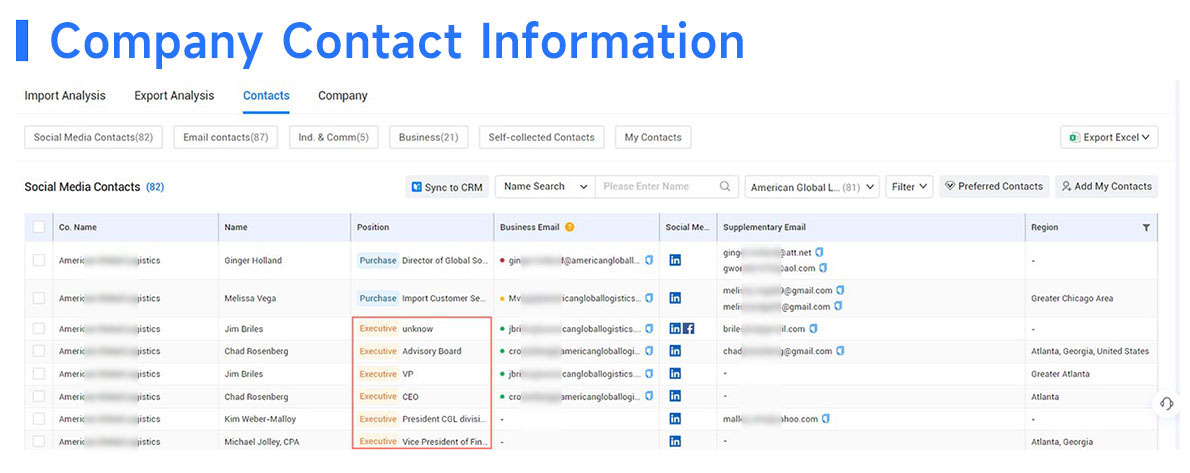
The "Search All" Hack: By selecting the client’s domain and using tools like ZoomInfo, you can often uncover the direct email addresses of owners or purchasing managers.
Wayback Machine: If a site has hidden its history, use the Wayback Machine to see how the company has evolved, providing context for your buyer due diligence report.
4. Trade Data: Cracking the Procurement Code
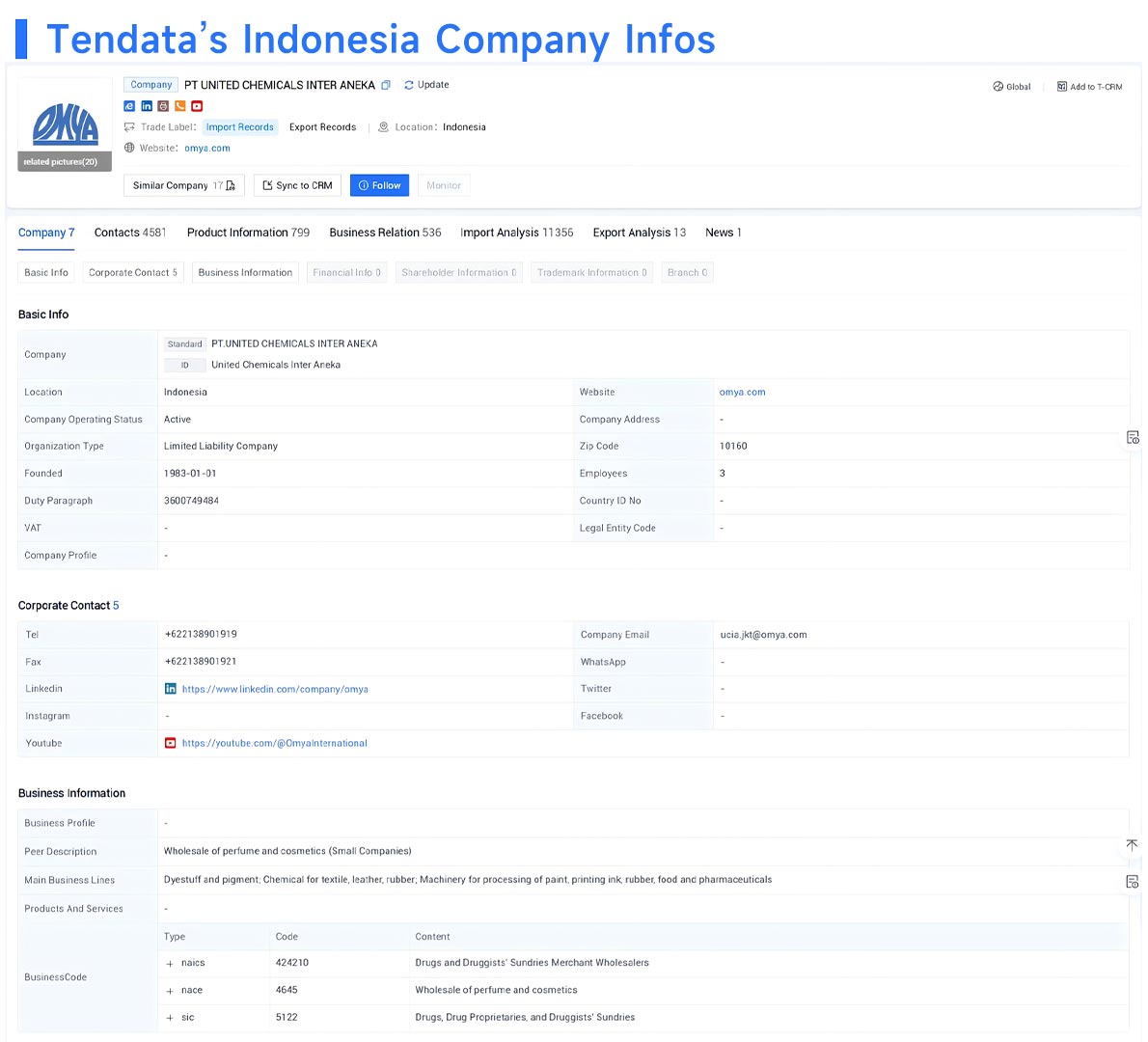
Customs and trade data act as a "crystal ball" for a client’s buying habits. By analyzing their import/export records, you can move from guessing to knowing.
· Procurement Patterns: Identify their current suppliers, order frequency, and typical volumes. This is the most objective form of buyer due diligence.
· Price Sensitivity: By looking at the types of products they import from competitors, you can estimate their price ceiling and quality requirements.
· Direct Contact: Trade platforms often link shipments to specific company profiles, helping you verify their authentic purchasing power and creditworthiness.
Conclusion
Buyer due diligence transforms a "cold call" into a "warm solution." When you know a client's history and habits, your negotiation becomes targeted and lethal. You aren't just selling a product; you are offering a partnership that fits perfectly into their existing puzzle.
Category
Leave Message for Demo Request or Questions